

Managing inventory for retail businesses is a balancing act. Running out of popular products leads to lost sales and disappointed customers, while overstocking increases storage costs and ties up capital. The key to success? Effective retail stock management to ensure smooth operations and maintain a competitive edge.
In this guide, we’ll explore the best strategies for preventing stockouts and optimizing inventory levels.
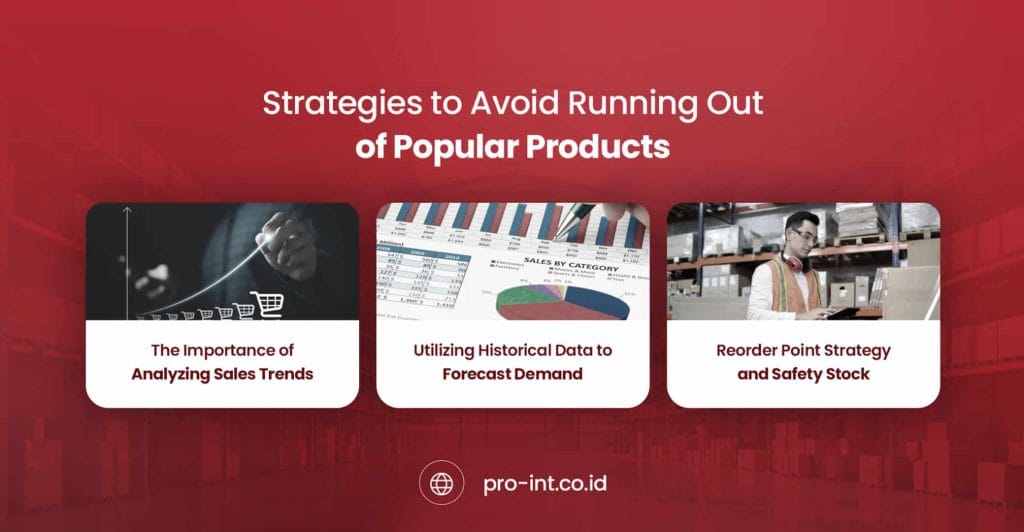
1. Analyze Sales Trends to Predict Demand
Understanding customer demand patterns is essential to avoiding stock shortages. Sales trend analysis helps retailers determine:
✅ Top-selling products based on different time periods (daily, weekly, seasonal).
✅ Customer purchasing behavior—when do demand spikes occur?
✅ External factors affecting demand, such as market trends, competitor promotions, or seasonal changes.
How to Analyze Sales Trends?
- Leverage historical sales data to identify demand patterns.
- Segment customers to understand which products are most frequently purchased by specific groups.
- Perform seasonal analysis, such as increased demand for fashion during festive seasons or electronics during year-end sales.
- Monitor product performance across different sales channels (physical stores, marketplaces, e-commerce platforms).
Example: If a fashion retailer observes that demand for office wear increases every January due to new job hires, they can increase stock levels before the year begins.
2. Use Historical Data for Accurate Demand Forecasting
Accurate demand forecasting helps retailers maintain optimal inventory levels and prevent both stockouts and overstocking.
Steps to Forecast Demand Using Historical Data:
📌 Collect past sales data (e.g., from the last 6 months to a year).
📌 Identify demand trends—is demand increasing, decreasing, or stable?
📌 Use forecasting methods like moving average or linear regression to predict future stock needs.
📌 Factor in external influences, such as upcoming promotions, holidays, or economic conditions.
Example: If a store sells an average of 200 pairs of sneakers per month over the last three months, they can estimate the stock needed for the next month, adjusting for special events like major sales or holidays.
3. Implement Reorder Point and Safety Stock Strategies
To avoid stockouts, retailers must establish a Reorder Point (ROP) and maintain a Safety Stock buffer.
📌 Reorder Point (ROP): The stock level at which replenishment orders should be placed.
🧮 Formula:
ROP = (Lead Time × Demand Rate) + Safety Stock
📌 Safety Stock: Extra inventory held to prevent stock shortages due to unexpected demand spikes or supplier delays.
How to Set ROP and Safety Stock?
1️⃣ Determine Lead Time—how long does it take for suppliers to deliver stock after ordering?
2️⃣ Calculate average daily sales using historical data.
3️⃣ Add a buffer stock to prevent shortages during unexpected demand surges or supply chain disruptions.
Example: If a store sells 50 perfume bottles daily and supplier lead time is 5 days, then:
🧮 ROP = (50 × 5) + Safety Stock
If the safety stock is set at 100 units, the reorder point becomes 350 units (250 + 100), ensuring inventory is replenished before running out.
Effective Stock Management Solutions
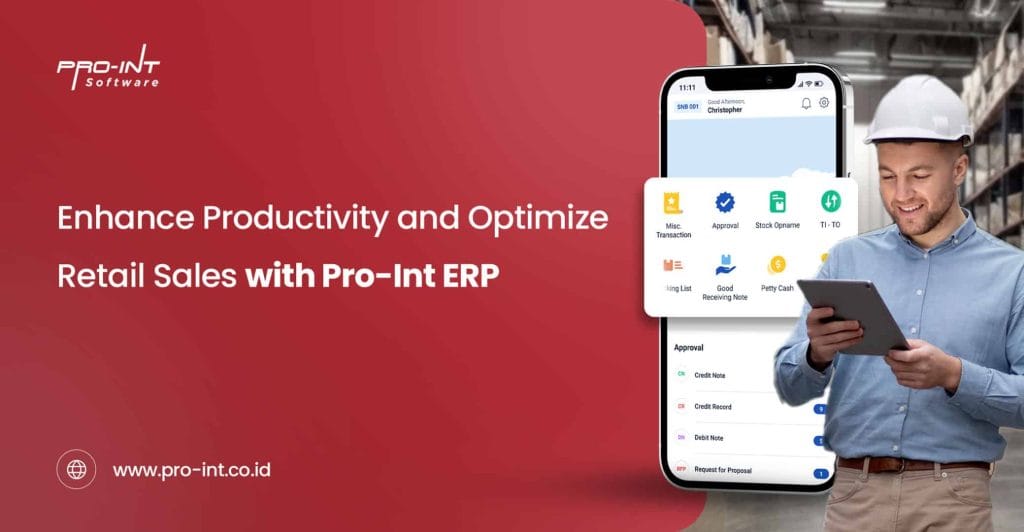
Without an integrated system, stock management becomes complicated and prone to errors. Manual recording often leads to inventory mismatches, inaccurate demand forecasts, and delayed restocking.
The solution? Use Pro-Int ERP Software!
✅ Real-time stock monitoring across multiple branches or sales channels.
✅ Data-driven forecasting features to predict stock needs accurately.
✅ Automatic notifications when stock approaches the reorder point, preventing stockouts of popular products.
With Pro-Int ERP, retail businesses can manage inventory efficiently, reduce operational costs, and always be prepared to meet customer demand without losing sales.